
Guest article from webyurt.com.
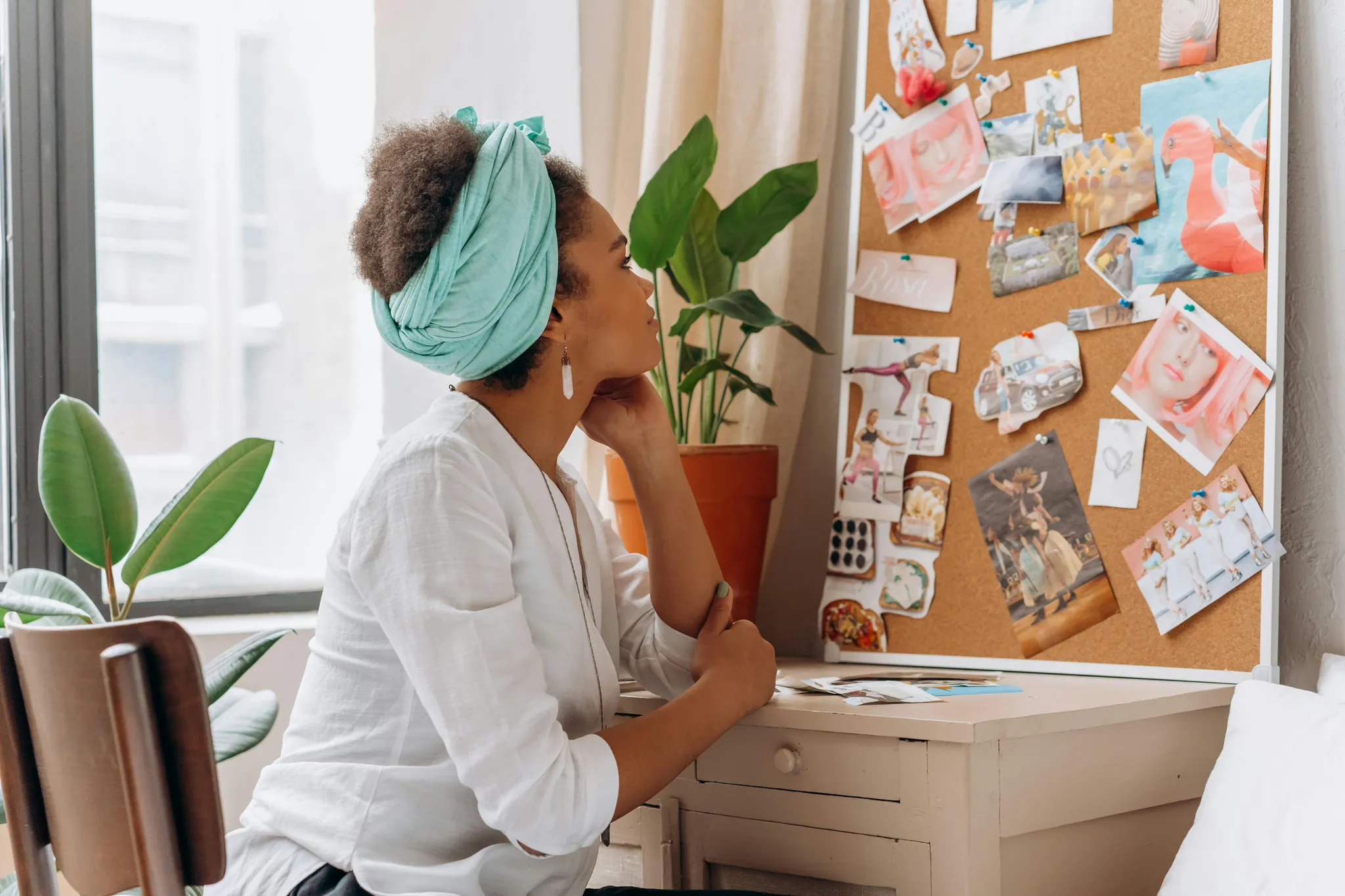
Photo By Pexels
Mental health and social wellbeing are increasingly recognized as central to living a balanced, fulfilling life. While exercise, nutrition, and mindfulness practices are often highlighted, creative expression is an equally powerful tool for reducing stress, boosting mood, and enhancing focus.
Engaging in artistic activities not only encourages self-expression but also helps people of all ages manage anxiety, improve concentration, and connect with others in meaningful ways.
The Science Behind Creativity and Mental Health
Research consistently shows that creative activities — whether drawing, painting, or coloring — can have profound benefits for mental wellbeing. Art engages multiple areas of the brain, helping to regulate emotions, stimulate problem-solving skills, and encourage relaxation.
Even simple activities like coloring or doodling can activate the brain’s reward system, producing a sense of accomplishment and calm. Many mental health professionals recommend incorporating short creative sessions into daily routines, as these exercises can reduce cortisol levels, improve mood, and help manage stress over time.
Resources that focus on mindful, creative approaches to wellness, such as coloring-focused projects and templates, can be a practical way to integrate this habit.
Making Creativity Accessible in Daily Life
Incorporating art into everyday life doesn’t require expensive supplies or formal training. Small, accessible projects can be just as effective in promoting mental wellness.
For example:
- Coloring sessions: Even 10–15 minutes of coloring a detailed page can provide a calming break from work or study.
- DIY art projects: Simple activities like creating personalized cards, decorating notebooks, or experimenting with mixed media can foster a sense of accomplishment.
- Digital creative tools: Apps and online platforms allow individuals to engage in art and design virtually, making creativity convenient even in busy schedules.
Platforms that provide ready-to-use coloring sheets, creative templates, and art exercises help make these activities more approachable for adults and children alike.
Art as a Social and Emotional Connector
Creativity is not only a personal tool; it can strengthen social bonds. Collaborative art projects, group coloring sessions, or family craft nights encourage communication, teamwork, and empathy. Sharing artistic work, whether in person or online, also fosters a sense of community and validation, which is crucial for social wellbeing.
By creating spaces for artistic interaction, communities and families can support each other’s mental health while building meaningful connections. Activities that combine mindfulness, creativity, and social interaction have been shown to improve emotional regulation and reduce feelings of isolation.
Integrating Art Into Mindfulness Practices
Mindfulness and creativity complement each other naturally. Coloring intricate patterns, sketching in a journal, or designing small art projects encourages individuals to focus on the present moment. These activities can act as meditative exercises, slowing down racing thoughts and promoting emotional clarity.
Incorporating art into daily mindfulness routines can enhance its benefits. For instance, setting aside a short session each morning or evening for creative expression can reduce stress levels, improve focus, and provide a healthy outlet for self-expression. Using structured resources and guides for creative mindfulness, such as a color palette generator, can make this habit easier to maintain.
Tips for Building a Sustainable Creative Habit
- Start small – Even 10 minutes of coloring or sketching daily can make a difference.
- Keep materials accessible – Simple tools like pencils, markers, or digital apps make it easier to engage consistently.
- Combine with other wellness practices – Pair creative sessions with meditation, deep breathing, or reflective journaling.
- Make it social – Collaborate with friends, family, or community groups to foster connection.
- Track progress – Keep a folder or journal of completed projects to visualize growth and creativity.
Consistently engaging in creative activities reinforces both mental and social wellbeing, providing a positive routine that is enjoyable and sustainable.
Art is more than a pastime; it’s a pathway to mental clarity, emotional resilience, and social connection. By incorporating coloring, sketching, or other creative exercises into daily life, individuals can experience improved mood, reduced stress, and a stronger sense of community.
Whether exploring structured coloring exercises or engaging in creative templates and projects, integrating creativity into daily life is an accessible, effective, and enjoyable way to support holistic mental health.