
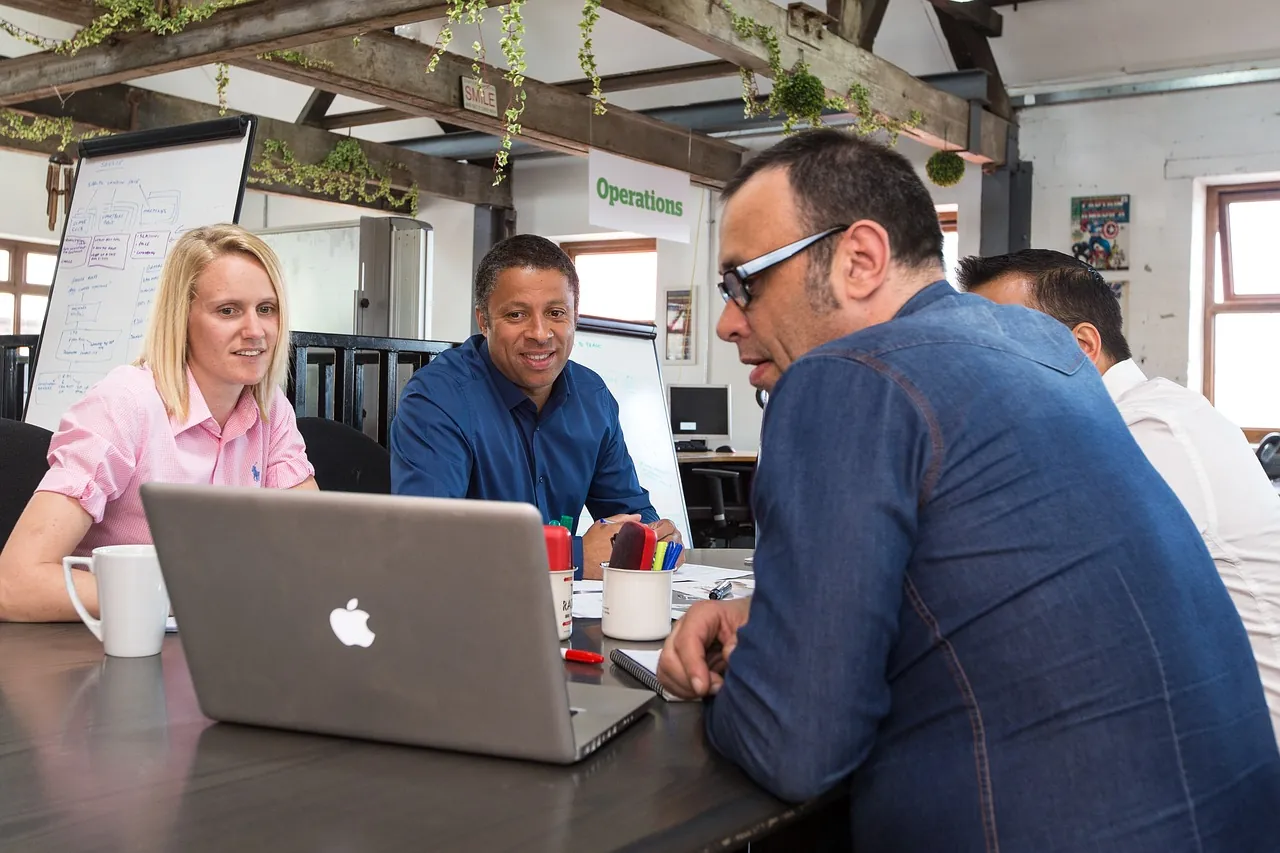
One day, I dream of living in a world where women no longer have to ask the painful question, “How do I deal with sexism in the workplace?” From sexism to sexual discrimination to harassment or event assault, many women are unfortunately experiencing some very negative situations at the hands of their male coworkers.

In the real world, those terrible sexual harassment training courses they make you watch when you start a new job are of unfortunately little help. Meanwhile, sexism is more of a gray area; it is even trickier to define, and difficult to pinpoint or to deal with when it happens. Sexism and sexual harassment might be overt (out in the open) or covert (sneakier, more casual and possibly even more harmful).

If this is happening to you right now, you might be wondering what you can do about it. First, know your rights. Research the local laws in your area. Read your employee handbook. Talk to your human resources department, if you have one. It might also be a good idea to seek support outside of your workplace, whether from a trusted friend or relative, counselor, therapist or even a support group.

Next, you can start by speaking up. If it is safe for you to do so, ask the offender why they treated you that way. This makes them own their behavior. Don’t be afraid to report the incident to your local human resources team, if your company has one. Don’t be embarrassed; this is literally part of their job. It’s what the human resources department is there for.

A third (and crucial) step is to find your allies in the workplace. If you work in a supportive work environment, you will be able to find people who will take your side. If there are other women in your workplace, it is especially important to ask them about their experiences. There is a chance you’re not the only person experiencing sexism or sexual harassment. These conversations might be difficult, but they can be very revealing about the company culture.

In an ideal world, our offices are safe spaces where we spend upwards of 40 hours per week surrounded by a team of people that supports our professional advancement, helps us problem solve, trusts us with decision making, places us in positions of power and change, and provides pay equivalent to that of our male counterparts. Unfortunately, this is simply not a perfect world (far from it). Sadly, many women are experiencing sexism in the workplace first hand – yes, even now.

If this story sounds familiar to you, know that you are not alone. There are things you can do to combat sexism in the workplace. Together, we can build a world where women no longer deal with these painful situations at work – or anywhere else.

Photo courtesy of Pixabay by jamesoladujoye

If you have a disability but are still able to perform work, there are some things you need to know about your rights. Discrimination against individuals with disabilities is prohibited by the Americans with Disabilities Act, yet every year, many Americans find it difficult to find gainful employment due to their disability, and still more individuals face discrimination when it comes to landing a promotion or even keeping their job.

In order to be protected under the ADA, one must have a disability that severely impacts everyday functions, such as speaking, seeing, hearing, walking, or breathing. The individual also must be qualified to maintain their position in the workplace via education or experience, and while an employer can make the decision to let you go if you are not qualified, they cannot fire you for not being able to perform tasks that are unessential to your job description.

Here are some of the best tips on how to become familiar with your rights and what to ask of your employer.

Know what constitutes discrimination

Discrimination can be any of the following:

  • Citing your disability as the reason for firing, not hiring, not giving you a promotion, changing or withholding benefits, and layoffs.
  • Harassment based on your disability.
  • Asking about your current or previous medical conditions.
  • Allowing the workplace to become or stay physically difficult for you to maneuver in.
  • Refusing reasonable accommodations.

Reasonable accommodations

Many individuals with a disability are unsure of what they can ask from their employer regarding accommodations for their needs. As long as these accommodations make it easier for you to get your job done and don’t create a momentous expense for the employer, it’s perfectly acceptable to ask for these changes. These can include:

  • Working out a schedule that accommodates your needs
  • Providing equipment or software that allows you to do your job, such as a phone with large buttons
  • Adjusting training materials for your needs
  • Providing interpreters
  • Health and disability insurance
  • Job protection

Medical needs

An employer cannot interfere with your medical needs–such as requiring an oxygen tank–and they cannot ask you to have a medical examination prior to gaining employment unless that is a condition that all employees must face. If you do have an exam and it shows without a doubt that you can perform the job with no impairment, the employer cannot deny you the job on the basis of that medical exam.

Retaliation

Many individuals with disabilities are afraid of voicing their concerns for fear of retaliation by their employer. However, you have the ADA on your side. Don’t be afraid to speak up if you feel you’re being discriminated against, because you may be helping someone else who is experiencing the same thing.

What to do

If you believe you have been the victim of discrimination due to your disability, it’s important to keep a log of exactly what was said and done and contact the Equal Employment Opportunity Commission within 180 days. Be thorough and detailed in your notes and, if possible, speak to potential witnesses to see if they would be willing to back you up during an investigation. If the EEOC finds wrongdoing, you could be entitled to backpay, a reinstatement of your job, or payment for your legal fees.

Remember, you have the right to a fair job and a workplace that allows you to do that job in a safe way. If you feel that you have been discriminated against, there are laws in place to protect you and your livelihood. Speak up and make your voice heard; you may be helping someone who can’t use their own voice.

Photo via Pixabay by Unsplash

When you lose someone you love, it’s likely you’ll experience denial, anger, bargaining and depression before accepting what happened so you can move on with your life — but this doesn’t mean you can’t manage your grief until you reach the finish line. In fact, it’s crucial to adopt self-care during this difficult period to avoid long-term problems.

The way we eat, drink, love, and cope with stress, depression, anxiety, and sadness all play a big role in the state our mental health is in. Sometimes, it’s necessary to take a step back and ask yourself if you’re doing the right thing for you and not the easiest thing. And when you start to make unhealthy choices, it’s important to learn how to be strong enough to make changes.

The Grieving Process

After someone dies, people may try to throw a lot of advice your way. Here’s what you need to know:

  • Ignoring the pain will only make things worse in the long run.
  • You’ll feel better if you show your true feelings to others instead of putting on a fake brave face.
  • There’s not specific time for grieving; the time frame is different for everyone.
  • Moving on with life does not mean you’re forgetting about your loved one. In fact, the memories are likely to shape who you are as a person in the future.

Talk to a licensed professional

While it’s important to lean on friends and family during this time, there’s nothing wrong with seeking outside professional help. Some issues a therapist can help you with include: how to take care of yourself and family, accepting your feelings, talking through the death of a loved one, and reaching out to others who are also grieving as a form of therapy. If severe depression is detected, your doctor may prescribe antidepressants — but it’s best to try to work through the grieving process naturally as to avoid dependency issues that have a tendency to create a suspended sense of reality.  

Take care of your physical and mental well-being

Don’t turn to drugs or alcohol to numb your pain. You’ll only feel a temporary boost and run the risk of ruining relationships and causing long-term damage to your health. Instead, force yourself to participate in an exercise routine that you enjoy — institute the help of a workout buddy if you’re having problems getting motivated. Eating a balanced diet and getting adequate amounts of sleep (but not sleeping the day away) will help you maintain a healthy emotional and physical well-being.

Do something you love

While it may be hard to engage in activities you traditionally loved, engaging in an activity that you’re good at can give you a major self-esteem boost while taking the edge off your grief.

Have a good cry

Contrary to what you may think, crying does not make you weak. In fact, studies prove having a tear fest can have positive effects such as the release of toxins, stress reduction, improved mood, vision, communication and even bacteria-fighting results.  

Honor the legacy of the person you lost

There’s no need to sweep the death of the loved one under the carpet because you’re grieving. You can still honor the life they had and the person they were by doing acts such as setting up a charity in their name (perhaps something tied to how they passed), planting a tree in their honor, incorporating ashes into fireworks, naming a star after them, placing a memorial plaque on a special bench at their favorite spot — even your backyard — and much more. There’s no right or wrong way to honor someone providing it helps you cope.  

The loss of life is a fact of life, and it’s never an easy process. It’s important to remember that you’re still living, and there are many people who love and depend on you. Take things a day at a time and create small goals that lead up to the big goal of acceptance.  

Photo Credit: Pixabay

Many seniors these days are opting to live in their own home for as long as possible, and while it’s usually the best option, it also means making some changes to the home to ensure that everything is safe and will continue to be. These home modifications are essential for seniors who are planning on staying in their home, even if they are in good health, because they’ll make the house more accessible and prevent injury.

While many of these modifications are simple such as installing non-slip rubber mats in the bathroom, or a grab bar in the shower, others might be a bit more complicated and pricey. It’s important to do some research before making any decisions and consider all your options, which also might include downsizing to a smaller home for more efficient living.

Here are some tips on how to make aging in place work for you.

Assess your home

The first step is to go through your home and assess the needs for modifications. The kitchen and bathroom are the rooms where many senior injuries and accidents occur, so these rooms should get special attention. Make sure the countertops are at a good height and think about your future needs as well as your current ones. You or a loved one may have mobility issues down the road that will necessitate lower counters or a wider area to move around in, or you may need a bathtub that has safety features such as a grab bar, shower seat, or non-slip rubber mats. Bigger projects, such as changing countertops or removing cabinets will require a professional and perhaps even a home improvement loan. Look online to see if your state offers funding for seniors.

Think about downsizing

If the thought of making big changes to your house doesn’t appeal to you, there’s always the option to downsize. Making a move is another major life change, but it might allow you to save money and will give you less to take care of on a daily basis. Many seniors find that a home without stairs or a big backyard works much better for their needs than a large house.

Make small changes with a big impact

There are several small changes you can make to your home that will have a large impact, such as installing ramps, adding lighting to dim areas and labeling items in your kitchen for easy access. Many seniors note that vision impairment makes everyday tasks more difficult, so finding little ways to help yourself stay safe while performing daily activities will boost your confidence and give you more independence.

Change the flooring

Falls are a huge concern for most seniors, so it’s important to address any issues with flooring. If you have hardwood, laminate, or tile, each area should have non-slip or rubber-backed mats rather than throw rugs, which can trip you up. Shaggy carpeting with a deep pile should be replaced with a shorter nap.

Making home modifications or finding a more accessible home can be a big job, so it’s important to ask for help and call a pro for an opinion before making any decisions. Changing your surroundings to better suit your needs can help you stay healthy and happy for years to come.

Photo via Pixabay by TaniaVdb